
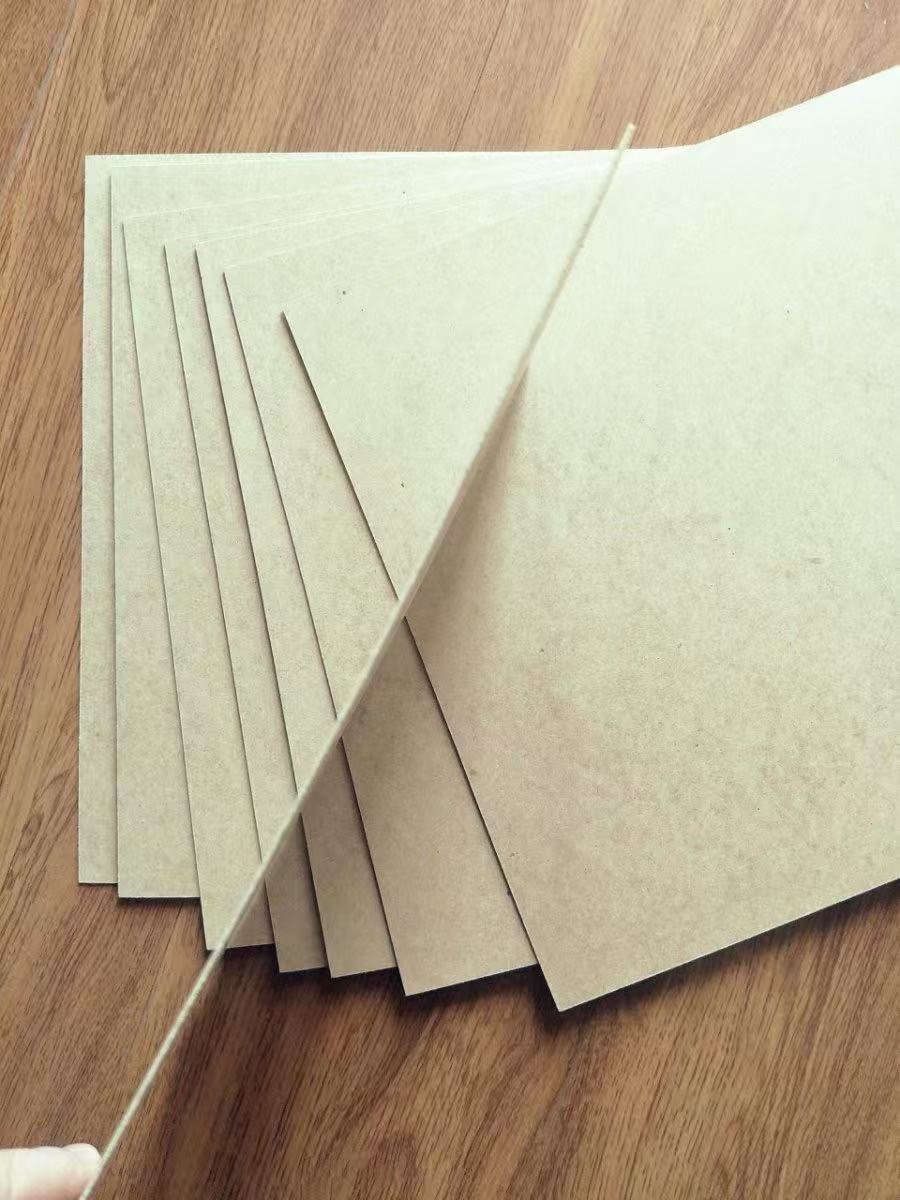
I used to struggle with heavy, thick boards that added cost and complexity. I needed something lighter, smoother, and easier to process. That is when I discovered tMDF.
tMDF (Thin Medium Density Fiberboard) is a lightweight version of MDF, typically 1–8mm thick. It offers smooth surfaces, precise thickness, and easy processing, making it ideal for back panels, drawer bottoms, crafts, and lightweight furniture components.
%(tMDF board surface smooth thin panel)(https://placehold.co/600x400 "tMDF board")
I started paying attention to how materials affect both cost and efficiency. I found that choosing the right board can change everything. tMDF opened a new way for me to think about design and production.
What Makes tMDF Different from Standard MDF?
I often saw buyers confused between MDF and tMDF. I had the same confusion before. I needed to clearly understand the difference to make better purchasing decisions.
tMDF is thinner and lighter than MDF, usually 1–8mm thick, while MDF ranges from 5mm to 30mm or more. tMDF focuses on precision and light use, while MDF is used for structure and load-bearing.
%(MDF vs tMDF thickness comparison boards)(https://placehold.co/600x400 "MDF vs tMDF")
When I compared both materials side by side, I noticed clear differences in application and performance. I realized that choosing between them depends on the job, not just the price.
Dive Deeper
I like to break things down in a simple way. I often explain this to my clients using a clear comparison:
| Feature | tMDF | MDF |
|---|---|---|
| Thickness | 1mm – 8mm | 5mm – 30mm+ |
| Weight | Light | Heavy |
| Strength | Low structural strength | High strength |
| Surface | Smooth and uniform | Smooth and dense |
| Use Case | Back panels, crafts | Cabinets, doors |
I noticed that tMDF works best when weight matters. I once used it for wardrobe back panels. The result was lighter furniture and lower shipping costs. My client was happy because installation became easier.
I also found that MDF is still necessary for structure. I would not use tMDF for shelves or load-bearing parts. That would lead to problems. So I learned to combine both materials in one project.
This approach helped me reduce cost without sacrificing quality. It also improved my production efficiency. I now see tMDF as a smart supplement, not a replacement.
Why Is tMDF Ideal for Precision and Light Applications?
I remember struggling with materials that chipped during cutting. That caused waste and delays. I needed something stable and clean for detailed work.
tMDF has a uniform structure and smooth surface. It allows precise cutting, laser processing, and engraving without edge damage. It is ideal for detailed designs and fine products.
%(laser cutting thin MDF craft board)(https://placehold.co/600x400 "laser cutting tMDF")
I started using tMDF for small decorative items. The results surprised me. The edges were clean, and the finish looked professional without extra work.
Dive Deeper
I like materials that save time. tMDF does that very well. I noticed several advantages during production:
- The internal fibers are evenly distributed
- The edges remain dense after cutting
- The surface needs little to no extra treatment
I once worked on a project that required laser cutting patterns. I tried plywood first. The edges burned unevenly. Then I switched to tMDF. The difference was clear. The cut was smooth and consistent.
I also found that thickness consistency is important. tMDF maintains tight tolerance. This helps when using automated machines. It reduces errors and improves repeatability.
Here is how I evaluate tMDF for precision work:
| Factor | Performance |
|---|---|
| Laser cutting | Excellent |
| CNC machining | Very good |
| Edge quality | Smooth |
| Surface finishing | Easy |
I also noticed that tMDF does not require edge sealing in many cases. That saves labor. For high-volume production, this matters a lot.
I now recommend tMDF for crafts, decorative panels, and packaging inserts. It gives a clean and refined look with less effort.
Where Is tMDF Commonly Used Today?
I used to think tMDF had limited use. I was wrong. Once I started working with it, I saw many practical applications.
tMDF is widely used for furniture back panels, drawer bottoms, crafts, decorative items, and packaging. It is ideal where lightweight and thin materials are required.
%(furniture back panel drawer bottom tMDF)(https://placehold.co/600x400 "tMDF furniture use")
I began to notice it everywhere. Many products I used daily had tMDF inside, but I never realized it before.
Dive Deeper
I like to group applications into categories. This helps me explain clearly to buyers:
1. Furniture Industry
I often use tMDF for wardrobe backs and cabinet bottoms. It reduces total weight. It also lowers shipping costs. For large projects, this saves a lot of money.
2. Crafts and DIY Products
I once worked with a client who made wooden puzzles. They needed clean edges and consistent thickness. tMDF was perfect. It improved both quality and speed.
3. Decorative and Packaging Use
I have seen tMDF used in luxury packaging boxes. It creates a solid feel while staying lightweight. It also works well for interior dividers.
Here is a simple overview:
| Application | Why tMDF Works |
|---|---|
| Furniture backs | Lightweight |
| Drawer bottoms | Stable and thin |
| Crafts | Easy to cut |
| Packaging | Smooth finish |
I also noticed that modern design trends favor minimalism. Designers prefer thinner materials. tMDF fits this trend very well.
I now suggest tMDF to clients who want both efficiency and aesthetics. It balances both needs.
How Much Does tMDF Cost and What Affects the Price?
I always get asked about pricing. I used to give simple answers. Now I know the details matter more.
tMDF prices depend on thickness, environmental grade, brand, and order quantity. Thinner boards cost less, while higher eco grades increase the price.
%(tMDF boards stacked warehouse pricing concept)(https://placehold.co/600x400 "tMDF price")
I learned that understanding pricing helps avoid surprises. It also helps in negotiation.
Dive Deeper
I like to break pricing into clear factors:
Thickness
Thinner boards cost less. For example:
- 3mm–5mm: lower price range
- 6mm–9mm: higher price
Environmental Grade
I noticed that eco standards affect cost:
- E1: standard level
- E0: lower emissions
- ENF: no added formaldehyde
Higher grades can cost 20%–40% more. Many buyers now prefer E0 or ENF for health reasons.
Order Quantity
I always try to order in bulk. Larger quantities reduce unit cost. This is important for importers.
Here is a quick pricing idea:
| Thickness | Price Range |
|---|---|
| 3–5mm | Low |
| 6–9mm | Medium |
I once helped a client reduce cost by adjusting thickness slightly. That small change saved a lot in total order value.
I now always suggest balancing cost and performance. Choosing the cheapest option is not always the best choice.
Conclusion
I see tMDF as a smart, lightweight solution that improves efficiency, reduces cost, and supports modern design needs.