We often see buyers focus only on price, yet they miss a silent cost driver. When RMB rises, their profit shrinks without warning. This hidden risk hurts margins fast.
RMB appreciation means each USD buys fewer Chinese yuan, so suppliers earn less in local currency. To compensate, exporters often raise USD prices, which directly increases your landed cost even if product pricing seems unchanged.

We have seen this happen many times. A buyer delays an order for a better deal. Then the exchange rate moves. The final cost ends up higher than expected. This is where many miss the real picture.
Why Does a Small Exchange Rate Move Feel So Big?
We used to think a few percentage points did not matter much. Then we saw how quickly it eats into margins. That changed how we approach pricing.
The exchange rate directly changes how much suppliers receive in RMB. When USD weakens against RMB, suppliers earn less for the same shipment. They react fast.
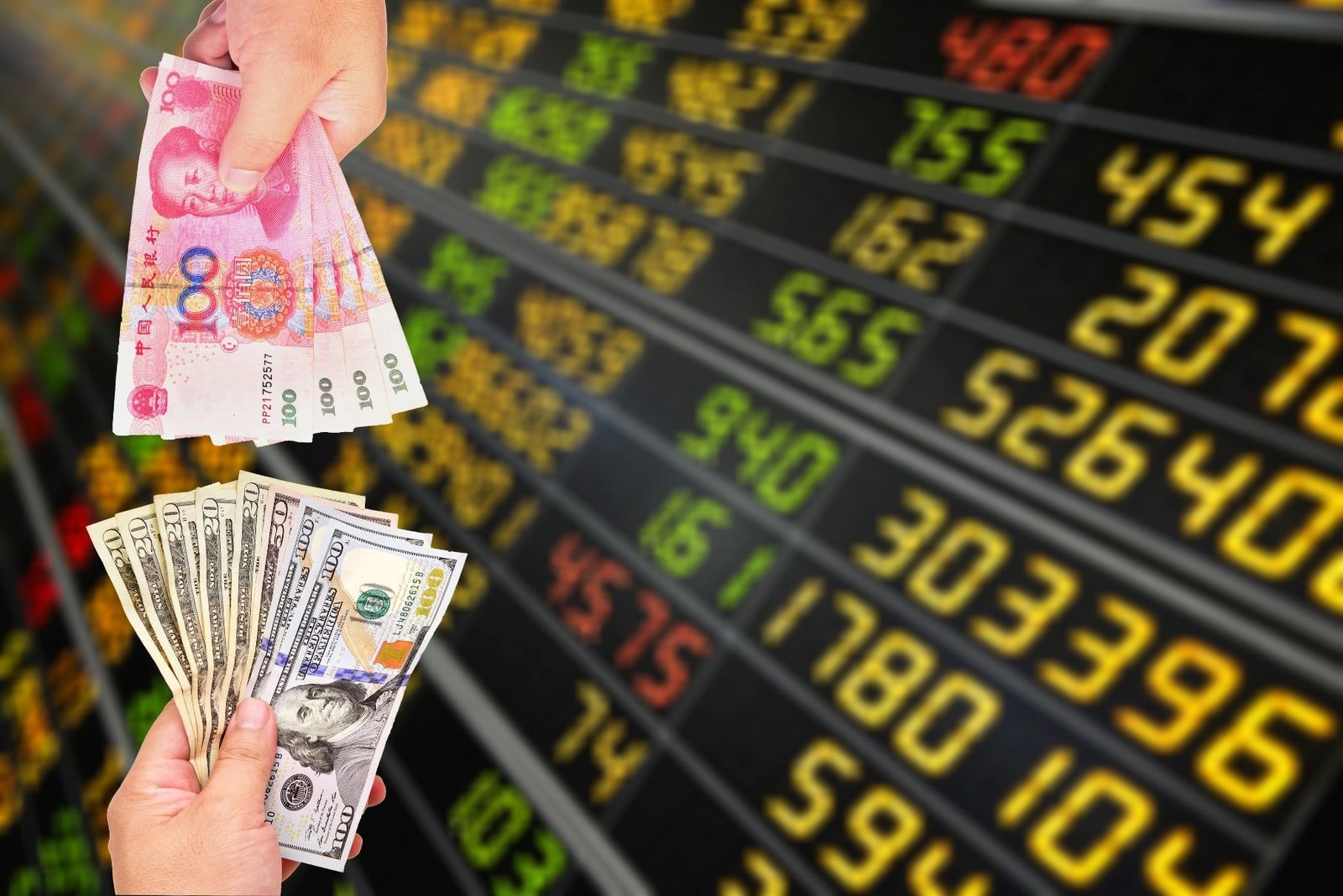
We break this down in a simple way:
| Factor | Before (7.10) | After (6.82) |
|---|---|---|
| USD Value | $20,000 | $20,000 |
| RMB Received | 142,000 | 136,400 |
| Difference | — | -5,600 RMB |
We see this clearly. The supplier loses value in local currency. So they adjust pricing. This adjustment often shows up as higher USD quotes or reduced discounts.
We also notice that many buyers underestimate this effect. A 3–4% move looks small. But in real trade, margins are often only 5–10%. This means FX alone can wipe out a large portion of profit.
We remember one case where we delayed a shipment. The price stayed the same. But the exchange rate moved. We effectively paid more without realizing it at first.
This is why we now treat exchange rate as part of the product cost. Not separate. Not optional.
How Does RMB Appreciation Change Plywood Pricing?
We have worked with plywood suppliers for years. We see that this industry reacts quickly to currency movement.
The reason is simple. Costs and revenue sit in different currencies.
Costs are in RMB. Sales are in USD.
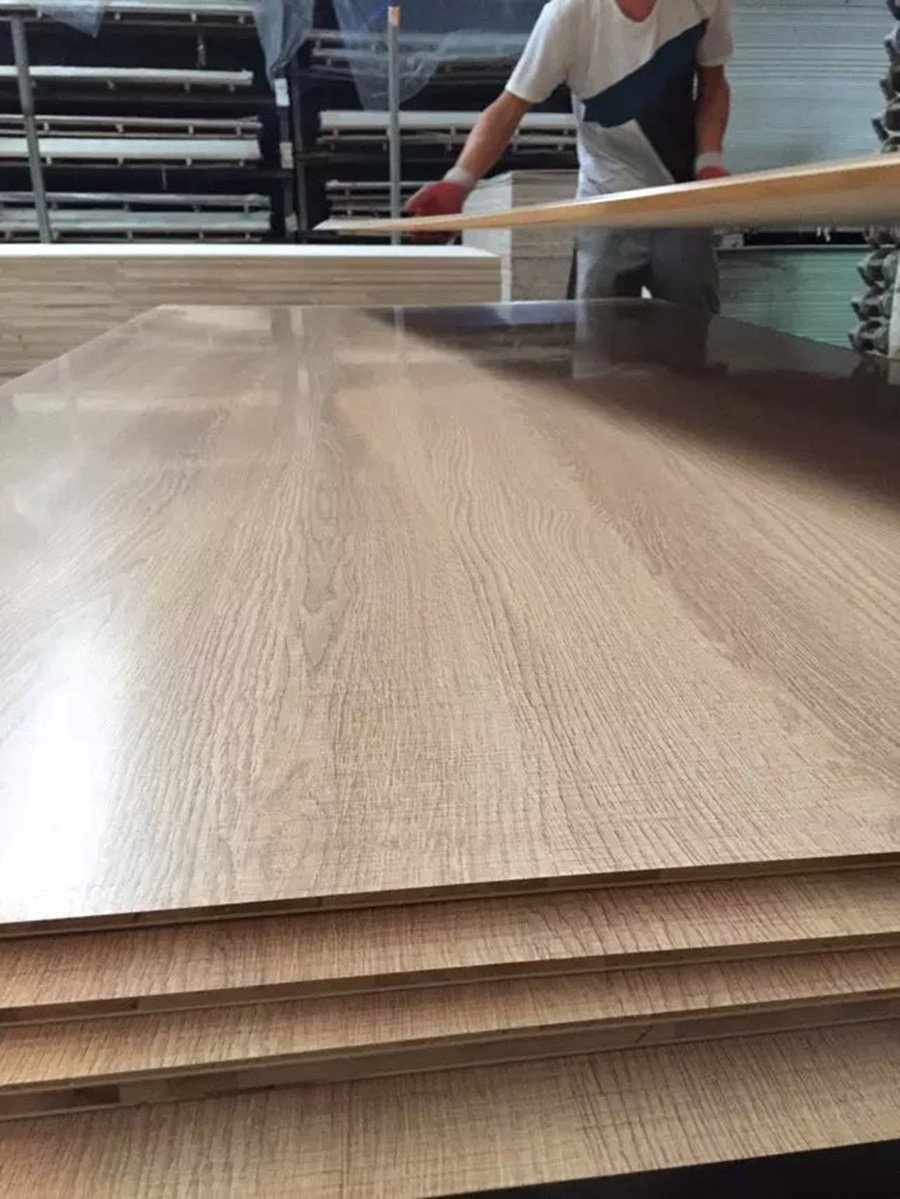
Here is how we understand it:
| Cost Element | Currency |
|---|---|
| Labor | RMB |
| Raw materials | RMB |
| Factory overhead | RMB |
| Export pricing | USD |
When RMB becomes stronger, the cost base effectively rises in USD terms.
We often see three direct reactions from suppliers:
- They raise USD prices
- They reduce negotiation flexibility
- They shorten quote validity
We have experienced this personally. A quote that used to stay valid for 10 days now lasts 3–5 days. Suppliers do not want to take currency risk.
We also notice that discounts become harder. Even long-term partners become cautious. This is not about relationship. It is about survival.
We once asked a supplier why pricing changed so quickly. The answer was simple. “Exchange rate changed. Our margin is gone.”
That answer stayed with us. It made us rethink how we plan orders.
Why Are Middle East Buyers More Affected Right Now?
We work closely with buyers in the Middle East. We see a pattern. They face pressure from multiple directions at once.
Freight costs are already high. Then RMB appreciation adds another layer.
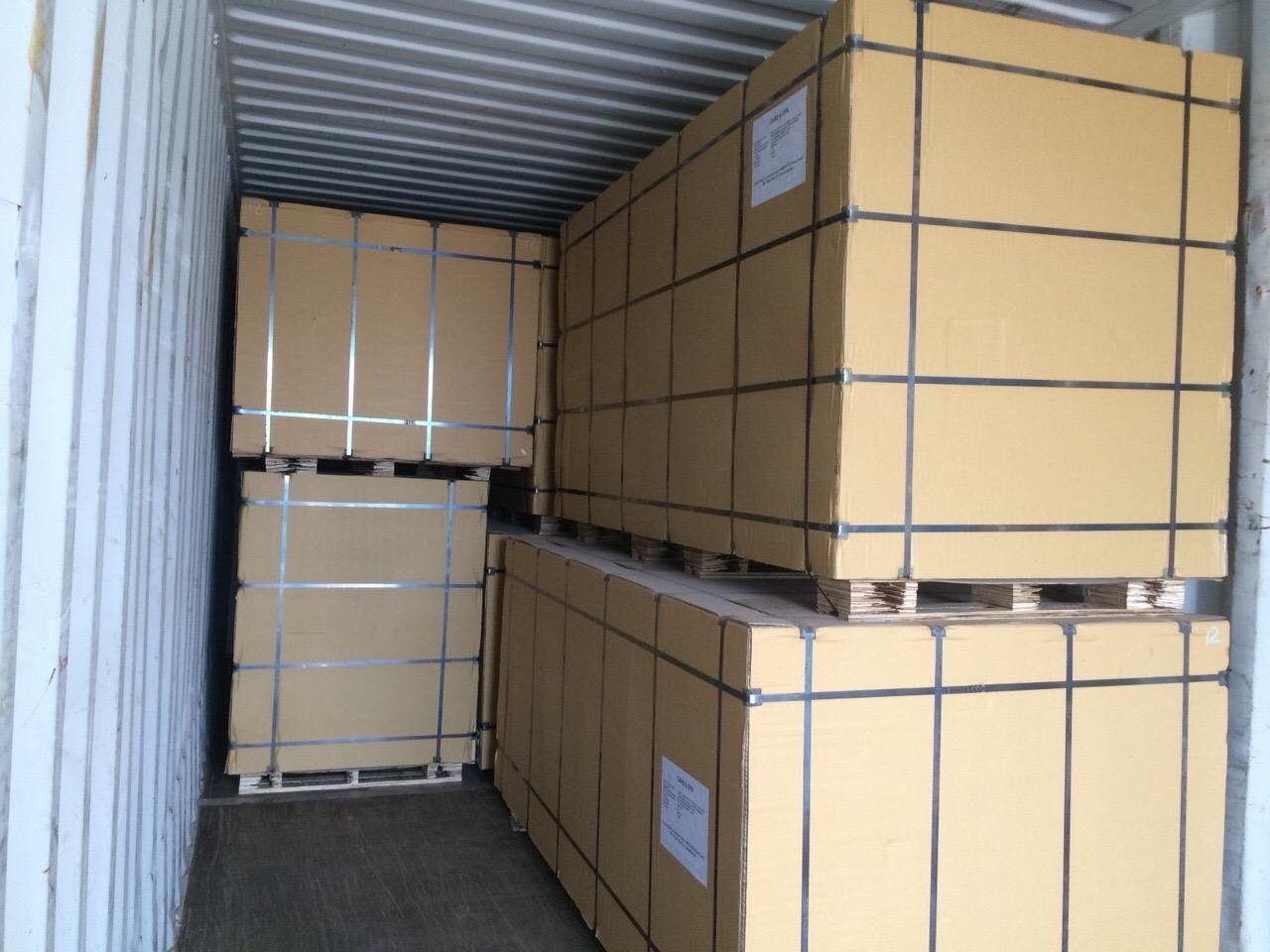
Here is the combined impact we often calculate:
| Cost Factor | Trend |
|---|---|
| Freight | High |
| Product Cost | Rising |
| Exchange Rate | Unstable |
We see how this affects profit margins. It becomes very tight.
For example, we once calculated a shipment for a client. Freight increased by 10%. Exchange rate added another 3–4%. The total impact was significant.
The buyer expected stable pricing. But the final landed cost increased more than expected.
We also notice that market competition in the Middle East is strong. Buyers cannot easily pass on cost increases. This creates pressure.
So we always think about timing now. Not just price.
Are You Negotiating Price or Managing Currency?
We used to focus only on getting a better price. Now we realize that timing is just as important.
A good price at the wrong time is not a good deal.

We now look at three key factors:
| Strategy | Purpose |
|---|---|
| Order timing | Reduce FX risk |
| Payment timing | Control exposure |
| Supplier flexibility | Maintain budget |
We have changed how we place orders. We try to confirm earlier when we see RMB strengthening. This helps lock in a better rate indirectly.
We also prefer shorter quotation validity. This keeps pricing realistic.
In some cases, we split shipments. This reduces risk. If the exchange rate moves, not everything is affected.
We also work closely with suppliers who can adjust specs. Sometimes small changes help maintain the target price.
We remember adjusting panel thickness slightly in one order. It helped balance cost without affecting the final use.
This kind of flexibility matters more now.
How Do We Handle Exchange Rate Risk in Real Buying?
We do not try to predict the market perfectly. That is not realistic. We focus on control instead.

Here is what we actually do:
- We monitor exchange trends weekly
- We avoid long delays after quotation
- We communicate quickly with suppliers
- We confirm orders when rates are favorable
We also rely on suppliers who provide timely updates. This helps us react faster.
In one situation, we received a price update due to FX change. We confirmed the order within two days. That decision saved cost.
If we had waited, we would have paid more.
We now see exchange rate as part of strategy. Not just background noise.
Conclusion
We have learned that exchange rate is not invisible. It directly shapes cost, timing, and profit. If we ignore it, we lose control of purchasing outcomes.