We often struggled with thick wood that cracked or resisted fine cuts. We needed something lighter and easier. We wanted clean edges and smooth finishes without heavy tools.
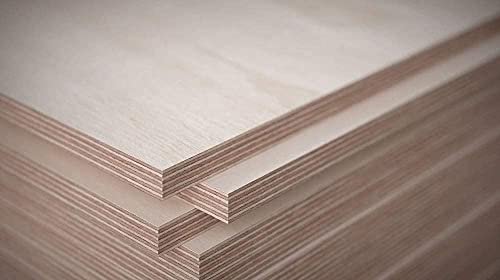
Craft plywood is a thin engineered wood, usually 1mm to 6mm thick, designed for precision work like laser cutting, small DIY builds, and decorative projects, offering flexibility, smooth surfaces, and easy handling.
%(craft plywood sheets thin smooth surface woodworking)(https://placehold.co/600x400 "craft plywood sheets")
We remember the first time we switched to craft plywood. We felt the difference at once. The material responded better. It gave us control. It kept us interested in finishing the work.
Why Is Craft Plywood Easier to Work With?
We used to waste time on wood that was too hard to cut. We felt frustrated with rough edges and broken pieces.
Craft plywood is easier to work with because it is thin, soft in many cases, and stable, so we can cut it with simple tools or machines like laser cutters without damaging the material.
%(cutting thin plywood with craft knife clean edges)(https://placehold.co/600x400 "cutting craft plywood")
We noticed that thinness changes everything. We can bend the board slightly without cracking it. We can cut curves with a simple knife. We do not need large machines. This saves both time and effort.
We also see how different wood types affect the process. Birch feels stronger and cleaner. Basswood feels soft and forgiving. Poplar feels light and cost-effective. We choose based on the project goal.
We often explain this to buyers like Brandon. He cares about efficiency. He wants fewer mistakes. Craft plywood helps reduce waste. It improves consistency in production.
Here is how we compare workability:
| Feature | Craft Plywood Behavior | Our Experience |
|---|---|---|
| Cutting | Smooth and easy | Less tool stress |
| Bending | Slight flexibility | Good for curves |
| Surface finish | Clean and even | Less sanding needed |
We find that this material removes many barriers for beginners and professionals. It makes detailed work feel simple.
Which Wood Type Should We Choose for Our Project?
We often felt confused when selecting wood types. We worried about making the wrong choice and wasting materials.
The best wood type depends on the task: birch for precision and strength, basswood for carving and soft shaping, and poplar for lightweight and budget-friendly applications.
%(different types of craft plywood birch basswood poplar comparison)(https://placehold.co/600x400 "wood types comparison")
We learned this through trial and error. We once used birch for a carving project. It felt too hard. Then we switched to basswood. The tool moved smoothly. The result improved.
Each wood type serves a clear purpose. We break it down like this:
Birch
We use birch when we need clean edges. It works well with laser engraving. It gives a premium look.
Basswood
We use basswood when we carve by hand. It is soft. It does not resist tools. It reduces fatigue.
Poplar
We use poplar when we need quantity. It is cheaper. It is light. It works for structure and backing.
We also think about the customer side. Brandon often balances cost and quality. He wants reliable supply. He wants consistent finish. So we suggest mixing materials based on product lines.
| Wood Type | Strength | Cost | Best Use |
|---|---|---|---|
| Birch | High | Medium | Precision work |
| Basswood | Low | Medium | Carving |
| Poplar | Medium | Low | Bulk projects |
This way, we match material with purpose. We reduce risk. We improve output quality.
When Should We Use Craft Plywood Instead of Regular Plywood?
We used to choose regular plywood for everything. We later realized it slowed us down for small projects.
We use craft plywood when we need detail, light weight, and easy cutting, while regular plywood is better for structural strength and heavy-duty applications.
%(comparison thin craft plywood vs thick regular plywood)(https://placehold.co/600x400 "craft vs regular plywood")
We clearly separate use cases now. Craft plywood fits creative work. Regular plywood fits construction.
We once tried to build a small decorative box with 12mm plywood. It felt heavy. The edges were rough. We switched to 3mm craft plywood. The result looked refined.
We explain this difference simply:
| Feature | Craft Plywood | Regular Plywood |
|---|---|---|
| Thickness | Thin | Thick |
| Tools | Light tools | Heavy tools |
| Use | Decorative | Structural |
| Weight | Light | Heavy |
We also consider logistics. Thin boards reduce shipping cost. They stack easily. This matters for international buyers.
From a business view, we see why importers prefer craft plywood for certain markets. It suits DIY trends. It suits personalized products. It supports fast production cycles.
We often advise customers to avoid using craft plywood for load-bearing. It is not designed for strength. It is designed for precision and creativity.
Conclusion
We use craft plywood when we need precision, flexibility, and efficiency. It simplifies our process and improves results for detailed and decorative projects.