Shipping feels uncertain and costly in 2026. We see buyers worry about delays and rising costs. Many feel stuck between demand and unstable freight conditions.
Shipping from China to the Middle East is still active in 2026, but fewer carriers and higher risks have pushed freight costs up sharply, making total landed cost a bigger concern than FOB pricing alone.
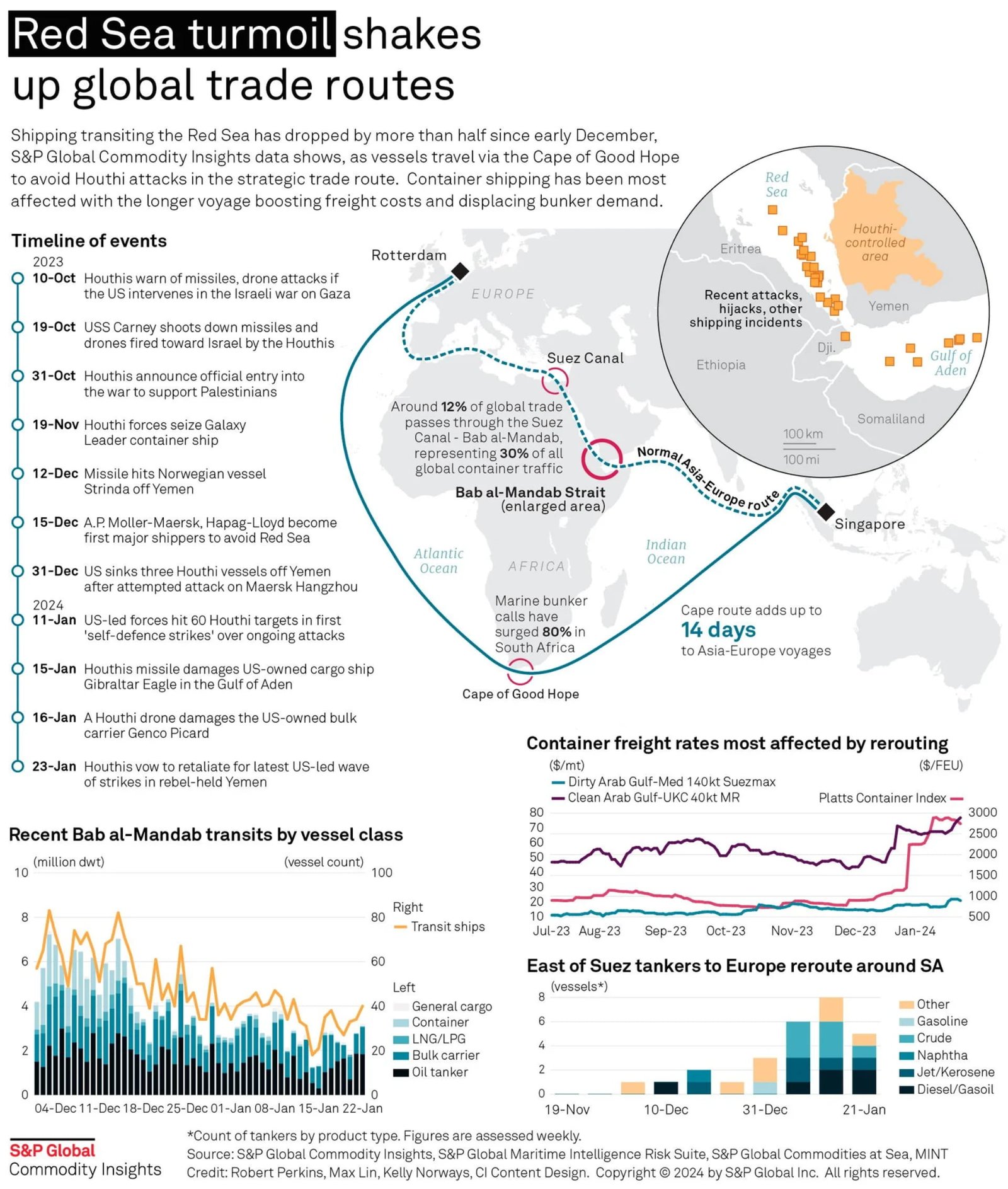
We have worked with many buyers this year. We notice one clear shift. The question is no longer about shipping availability. The real issue is how to secure stable and affordable space.
Is Shipping to the Middle East Still Operating Normally?
We often hear buyers ask if shipments have stopped. They feel anxious due to regional tension and unclear logistics updates.
Shipping routes to the Middle East are still open in 2026, but major carriers have reduced participation, which limits options and creates pressure on available capacity.
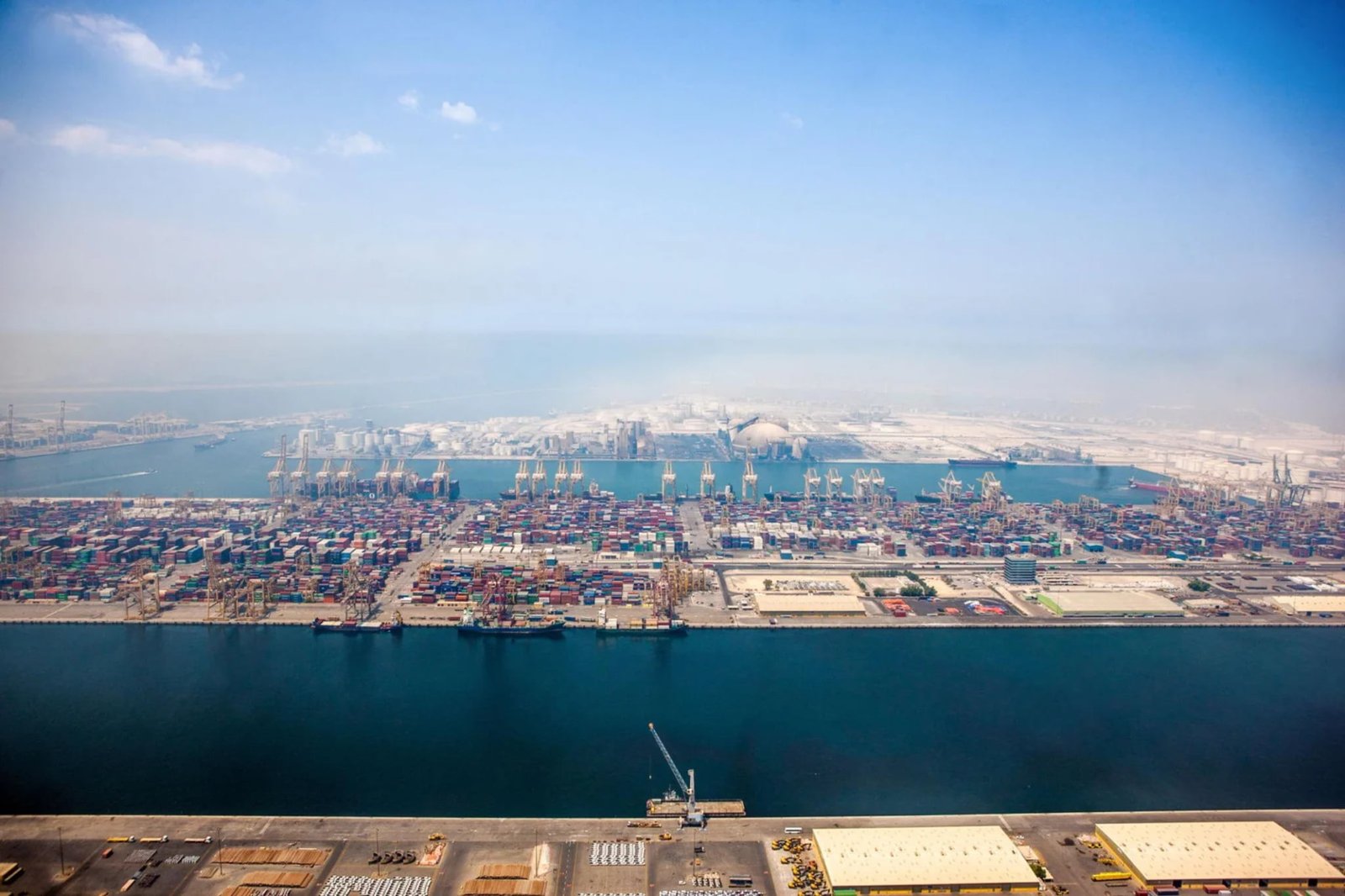
We see that shipping is not blocked. We still arrange shipments every week. However, the structure of the market has changed a lot.
Some major carriers have stepped back from specific routes. This includes well-known global lines that used to dominate these lanes. When these players reduce exposure, the whole system feels tighter.
At the same time, other carriers continue to operate. We often rely on lines like PIL and COSCO. Yet, we notice their booking windows are shorter and space fills quickly. This creates pressure on planning.
We explain it to our clients in a simple way. Before, buyers had many choices and flexible schedules. Now, they must act faster and accept fewer options.
Here is how we break it down:
| Factor | Before 2026 | In 2026 |
|---|---|---|
| Carrier options | Many | Limited |
| Booking flexibility | High | Low |
| Space availability | Stable | Tight |
| Planning urgency | Moderate | High |
We also notice that buyers who delay decisions often lose space. This is not about price only. It is about timing and commitment.
From our experience, the buyers who succeed now are those who treat shipping as part of strategy, not just execution.
Why Have Freight Rates Increased So Much in 2026?
We see many buyers shocked by current freight quotes. They compare with old rates and feel the increase is too high to accept.
Freight rates have increased due to reduced carrier participation, added risk premiums, and longer alternative routes, all of which raise operational costs for shipping lines.
We track freight changes closely. The numbers clearly show a sharp rise.
For example, SHIPPING COMPANIES recently quoted:
- Qingdao to Dubai: about USD 8,000 per 40HQ
- Qingdao to Jeddah: about USD 4,500 per 40HQ
This gap also tells a story. Not all routes carry the same level of risk. UAE routes often face higher premiums due to congestion or routing changes.
We break the causes into simple parts:
1. Reduced Carrier Participation
Some carriers avoid certain routes. This reduces supply. When supply drops, prices rise. This is basic market behavior.
2. Risk Premiums
Shipping lines now include extra charges. These cover uncertainty, insurance, and operational risks. We see these added directly into freight rates.
3. Route Adjustments
Some ships avoid high-risk areas. They take longer routes. This increases fuel cost and transit time. The cost is passed to buyers.
Here is a simple comparison we use:
| Cost Element | Impact Level |
|---|---|
| Fuel cost | Medium |
| Risk surcharge | High |
| Capacity shortage | Very high |
| Route changes | Medium |
We always tell our clients one thing. Freight is no longer a stable cost. It is now a moving variable that must be monitored closely.
Why Are Plywood Buyers More Sensitive to Freight Changes?
We often notice that plywood buyers feel freight pressure more than others. They ask why their margins drop faster than expected.
Plywood is highly freight-sensitive because it is bulky and lower in unit value, so any increase in shipping cost directly raises the cost per sheet.
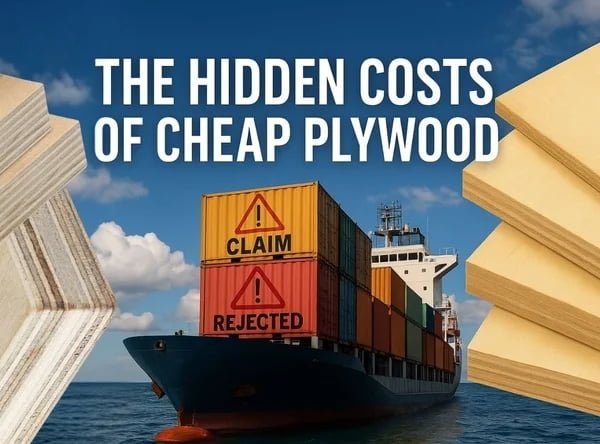
We explain this using a real example from daily work.
One 40HQ container usually loads about 850 to 900 sheets of plywood. When freight increases by USD 4,000, the math becomes very clear.
That means:
- Around USD 4–5 extra per sheet
This is not a small change. For many buyers, this directly eats into profit.
We compare plywood with other goods:
| Product Type | Freight Sensitivity |
|---|---|
| Electronics | Low |
| Furniture | Medium |
| Plywood | High |
The reason is simple. Plywood takes up space but does not carry high value per unit.
We once worked with a buyer who focused only on FOB price. He got a very good deal on paper. But after adding freight, his total cost became higher than another supplier.
That situation taught both sides an important lesson. FOB price alone does not tell the full story.
Why Is Landed Cost More Important Than FOB Price Now?
We see many buyers still negotiating only on FOB price. They want the lowest factory price. But this approach is risky in 2026.
Landed cost is more important because freight, carrier reliability, and delivery timing now have a major impact on total cost and business outcomes.
We always guide clients to look at the full picture. FOB price is just one part.
In today’s market, we focus on three key elements:
1. Freight Cost
This is now a major cost component. It can change quickly and significantly.
2. Carrier Availability
Even if the price is good, no space means no shipment. This is a real risk now.
3. Shipment Reliability
Delays can cost more than freight. They affect inventory and sales cycles.
Here is how we structure cost thinking:
| Cost Type | Importance in 2026 |
|---|---|
| FOB price | Medium |
| Freight | Very high |
| Reliability | Very high |
| Lead time | High |
We remember one case where a buyer chose a slightly higher FOB supplier. But that supplier secured early booking and stable shipment. In the end, his total cost was lower and his market supply stayed stable.
This is why we always say. The cheapest price is not always the best deal.
What Are Smart Importers Doing to Adapt?
We work closely with experienced buyers. We see clear patterns in how they respond to this market.
Smart importers secure orders early, optimize product specifications, maximize container usage, and work with reliable suppliers to manage freight risks effectively.

We follow these strategies when supporting clients.
1. Securing Orders Earlier
Buyers place orders sooner. This helps lock in space and avoid sudden rate increases.
2. Optimizing Specifications
Some buyers adjust materials. For example, they choose combi core instead of full hardwood. This reduces cost without losing key performance.
3. Maximizing Container Loading
We help clients improve loading plans. Even small improvements can reduce cost per sheet.
4. Choosing Reliable Suppliers
This is critical. A good supplier coordinates production and booking smoothly. This reduces delays and mistakes.
Here is how we summarize smart actions:
| Strategy | Benefit |
|---|---|
| Early booking | Secure space |
| Spec adjustment | Lower cost |
| Better loading | Higher efficiency |
| Reliable supplier | Fewer risks |
We have seen that buyers who follow these steps stay competitive. Others struggle with delays and unexpected costs.
Conclusion
Freight costs are rising, but limited carrier capacity is the bigger risk. We believe early planning and smart decisions now decide who can ship and who cannot.