
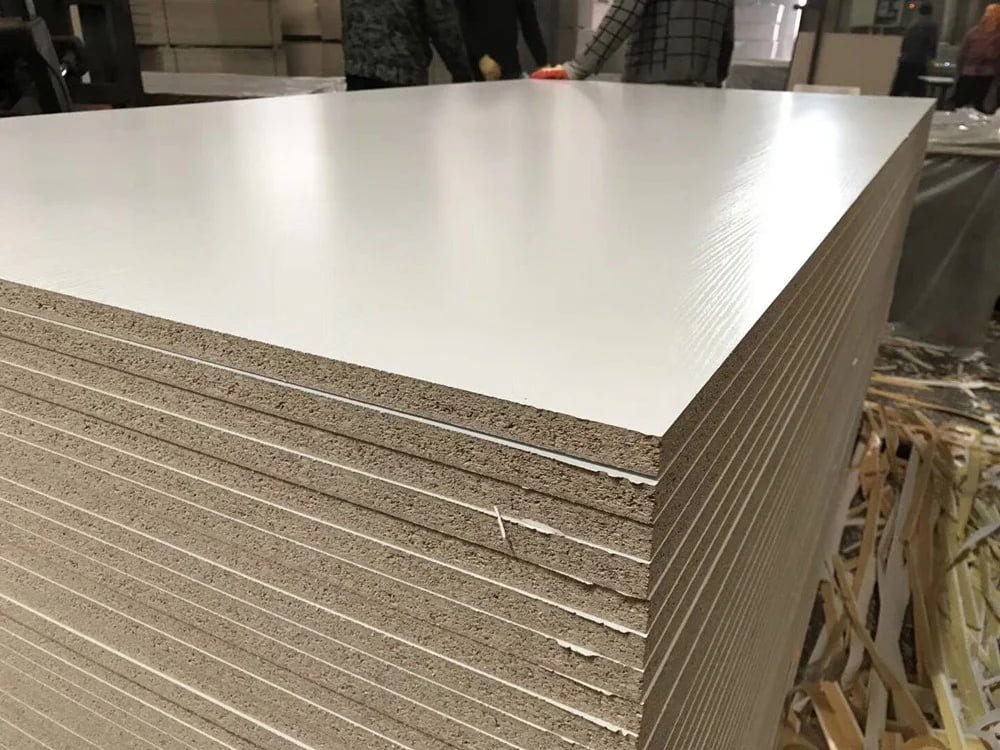
We often see projects slowed down by too many joints and wasted cutting time. This leads to higher cost and poor finishing. We want a better way.
7x9 Large size MDF and particle board (2800×2100mm) reduce joints, improve efficiency, and lower labor cost. They help manufacturers produce cleaner designs faster while maintaining consistent quality across furniture and interior projects.
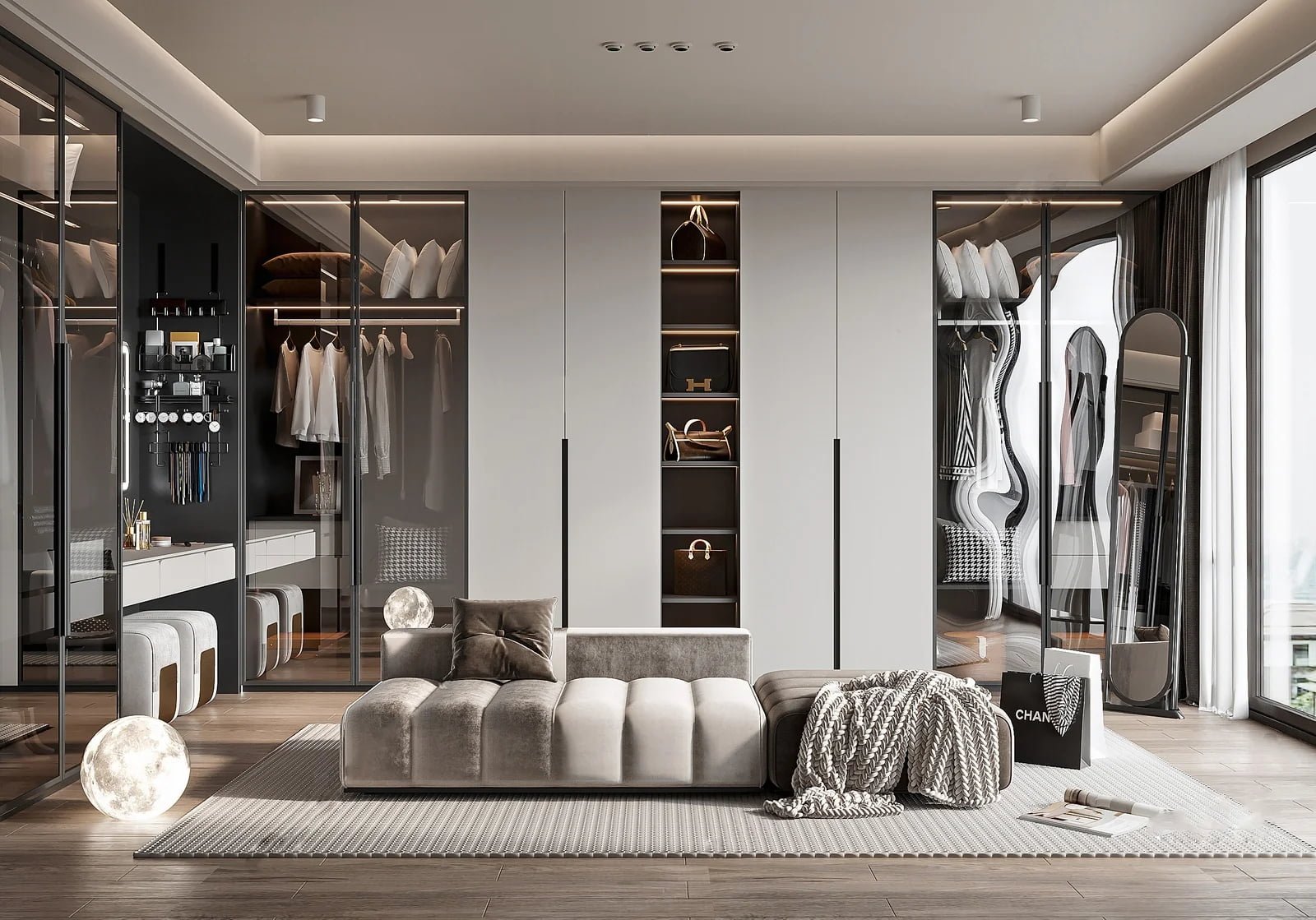
We have worked with buyers who struggled with small panel limitations. We found that once they switched to larger boards, their workflow changed fast. The improvement was clear and measurable.
Why Are Large Size Panels Becoming the First Choice?
We used to rely on standard sizes, and we often faced alignment issues. This caused rework and delays. We needed a more efficient solution.
Large size panels improve production efficiency, reduce seams, and lower labor costs. They allow better design continuity and reduce material waste, making them ideal for modern furniture and construction needs.
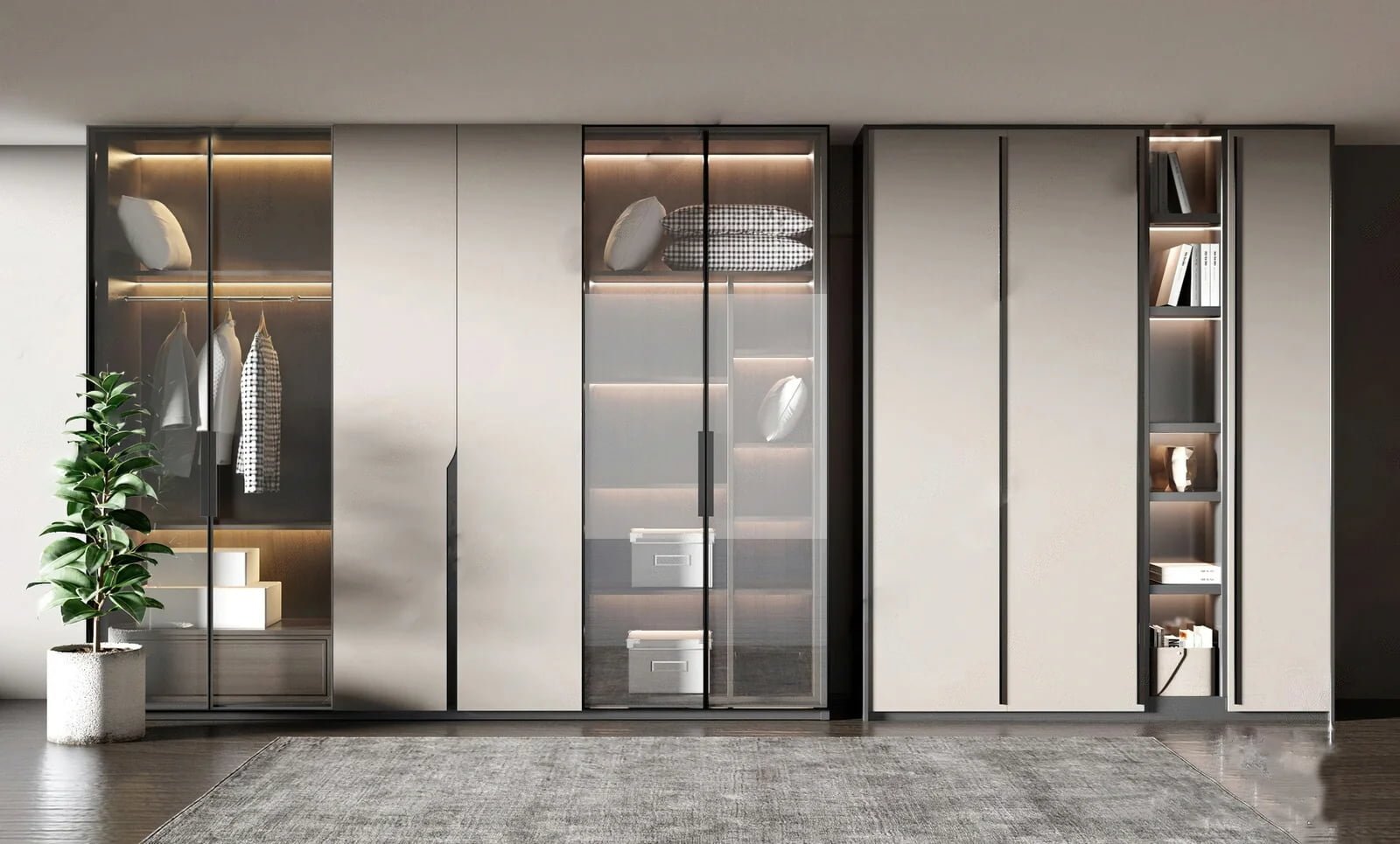
When we started using 2800×2100mm panels, we noticed fewer joints in wardrobe sides and cabinet doors. This made the final look cleaner. Our workers spent less time cutting and joining. The installation process became faster. We also reduced labor cost because fewer steps were needed.
We also saw better flatness. Large panels are more stable when processed correctly. This improves painting and lamination results. For export buyers, this means fewer complaints and more consistent batches.
Here is how we compare the impact:
| Factor | Small Panels | Large Panels |
|---|---|---|
| Joints | Many | Few |
| Labor Time | High | Lower |
| Appearance | Interrupted | Seamless |
| Efficiency | Moderate | High |
We always tell our clients that panel size is not just a specification. It is a production strategy. When we changed this one factor, our entire workflow improved.
Flexible 7×9 Panel Sizes: Custom Options for Different Project Needs
While 2800 × 2100 mm is the most commonly referenced 7×9 panel size, in real production and export business, buyers often require slight variations based on machinery, cutting plans, or local standards.
Typical size variations within the 7×9 category include:
- 2100 × 2800 mm
- 2150 × 2800 mm
- 2100 × 2745 mm
- 2200 × 2800 mm
All of these are considered within the 7×9 range, but even small differences can significantly affect:
- Cutting optimization
- Material yield
- Installation accuracy
- Production efficiency
From our experience across different markets, flexibility in panel dimensions is often more valuable than a fixed standard size.
That’s why we support customized production based on your exact requirements.
What This Means for Buyers
- Better compatibility with local machinery and standards
- Reduced cutting waste and higher material utilization
- More efficient production and installation
We always recommend confirming your exact required dimensions before production, so we can match the panel size precisely to your project.
Where Are Large Panels Used Most?
We used to think large panels were only for big factories. We later found they fit many applications. This changed how we approached projects.
Large MDF and particle boards are widely used in furniture manufacturing, interior construction, laminated board production, and industrial applications due to their size and efficiency advantages.
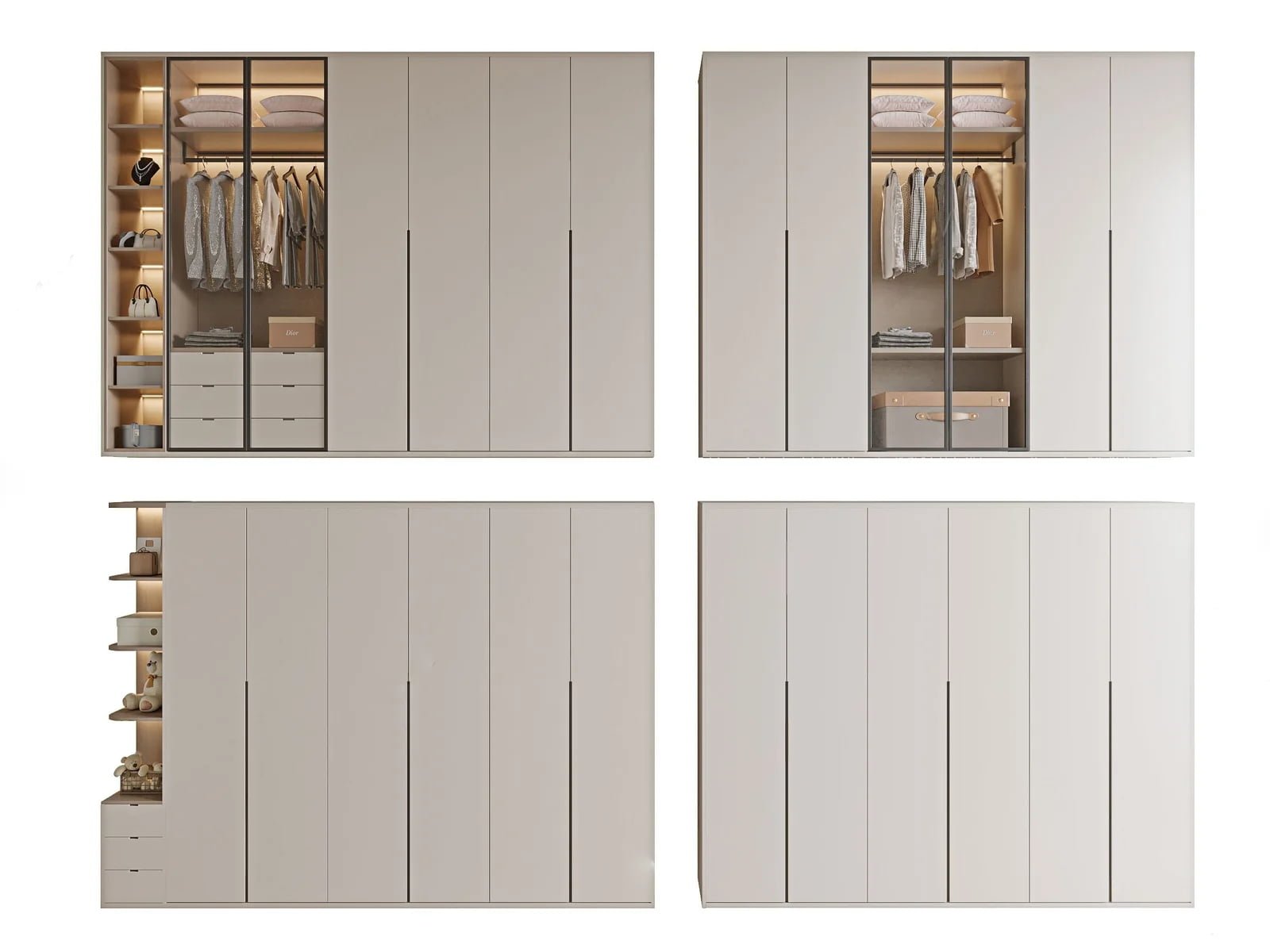
We have applied these boards in different scenarios. Each one gave us clear benefits.
Furniture Manufacturing
We used large panels for wardrobe sides and cabinet doors. This reduced visible seams. We also used them for office desks and tabletops. The cutting plan became simpler. Our material waste dropped.
Interior Construction
We worked on wall panels and partitions. Large boards gave a continuous surface. This improved the visual effect. In commercial spaces, this matters a lot. Clients want clean and modern finishes.
Laminated Board Production
We often use these boards as base materials. We apply melamine, PET, or PVC on top. The larger size means fewer lamination joints. This improves both efficiency and final quality.
Industrial Use
We also used them for packaging bases and equipment panels. The strength and size make them reliable for heavy-duty use.
Here is a simple breakdown:
| Application | Benefit |
|---|---|
| Furniture | Fewer joints |
| Interior | Better aesthetics |
| Lamination | Higher efficiency |
| Industrial | Strong support |
We always match the board size with the project goal. This helps us avoid unnecessary cost.
MDF or Particle Board: Which One Should We Choose?
We often get this question from buyers. We also struggled with this choice in the past. The answer depends on the project.
MDF is better for smooth surface finishing and detailed work, while particle board is more cost-effective and suitable for lamination and budget furniture projects.
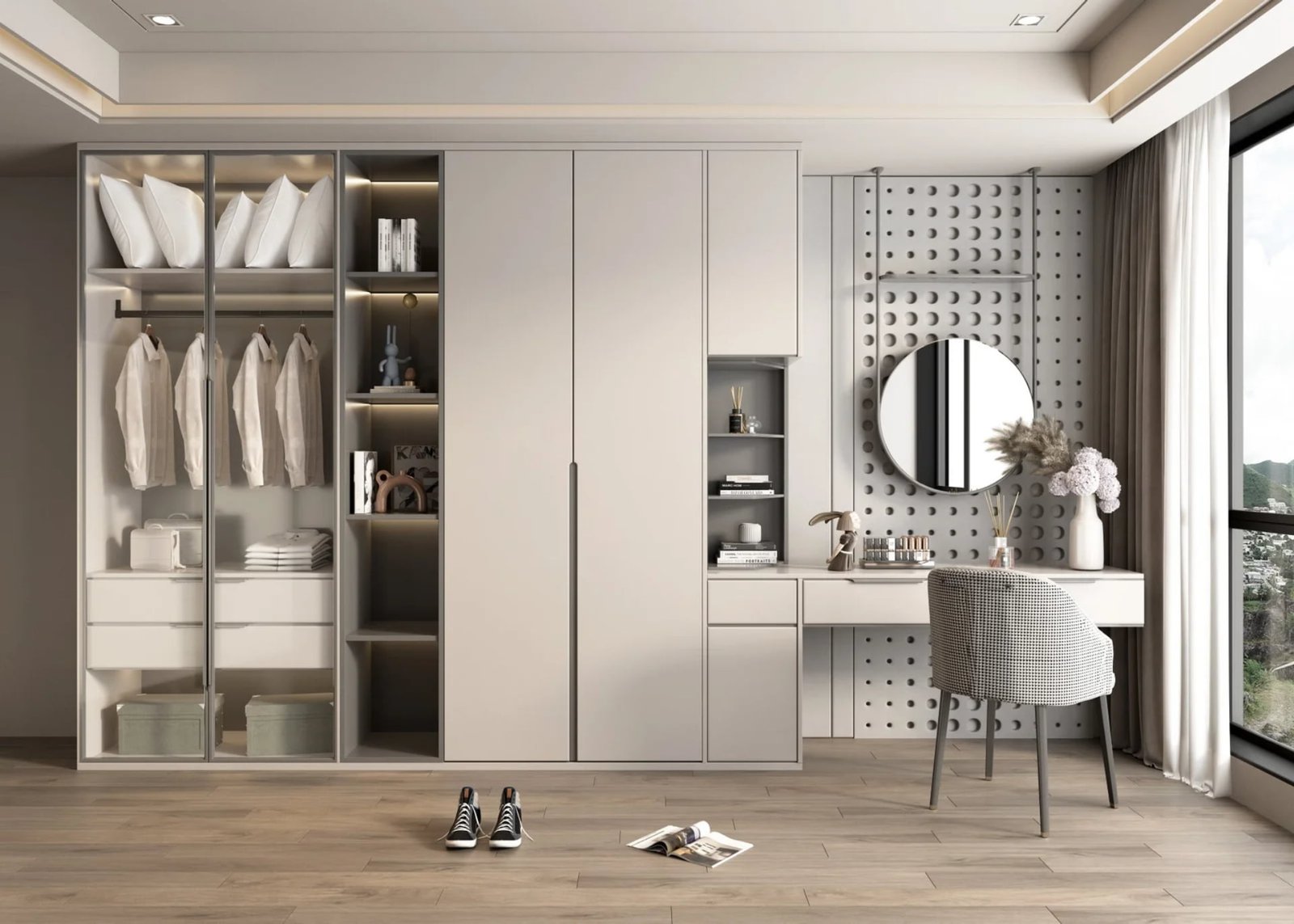
We usually decide based on surface requirements and budget.
MDF has a higher density. It gives a smooth surface. We use it when we need painting or routing. It works well for doors and decorative panels.
Particle board is more economical. We use it for cabinets and shelving. It performs well with melamine lamination.
Here is how we compare them:
| Item | MDF | Particle Board |
|---|---|---|
| Surface | Smooth | Good for lamination |
| Density | High | Medium |
| Cost | Higher | Lower |
| Use | Decorative | Functional |
We often suggest MDF for premium products. We suggest particle board when cost control is important. This simple rule helps our clients make quick decisions.
What Should We Check Before Buying Large Panels?
We once received a shipment that looked fine but performed poorly. That taught us a lesson. Quality control is critical.
Key factors like density, thickness tolerance, moisture resistance, glue standard, and core stability must be checked to ensure large panels perform well during processing and final use.
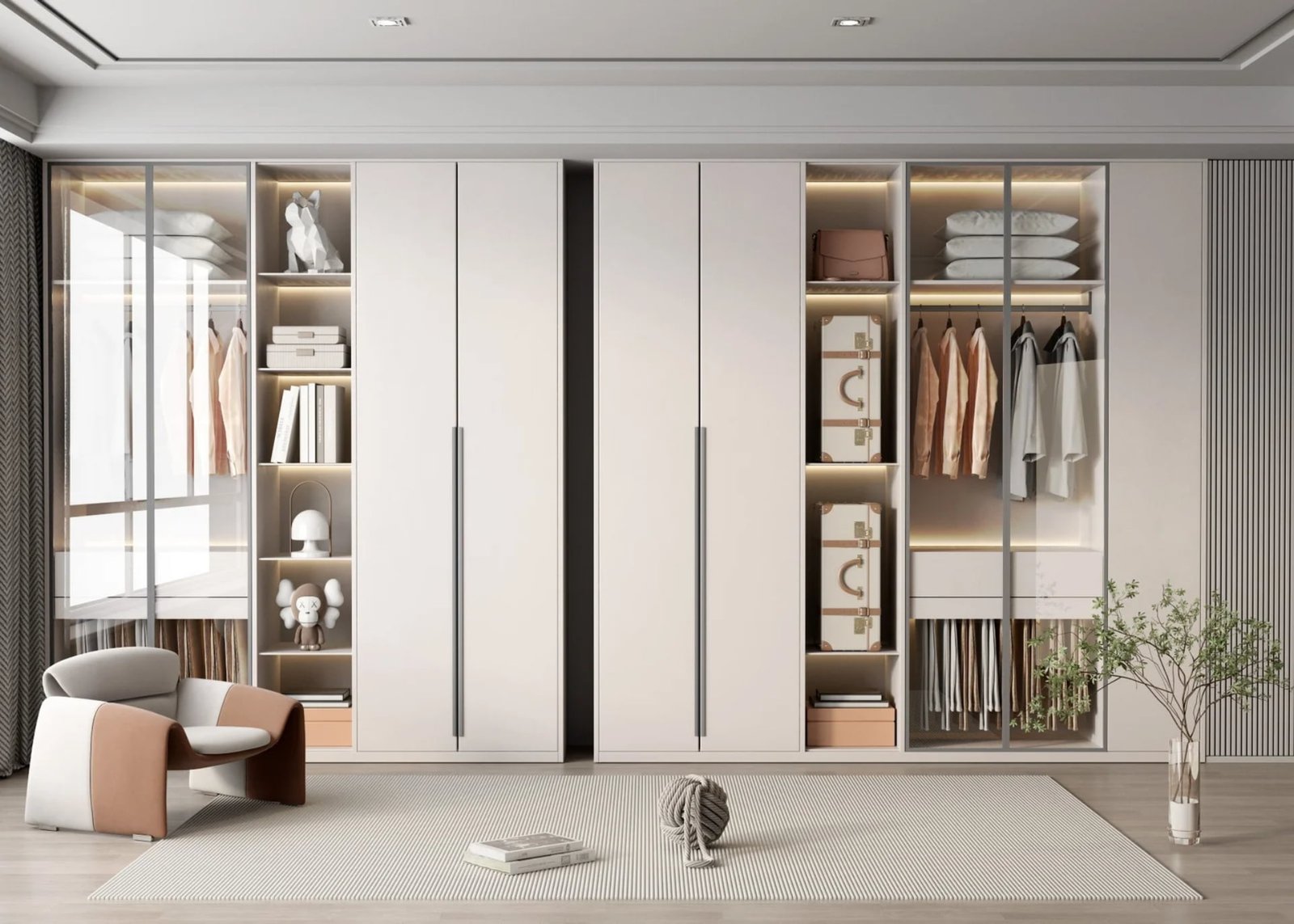
Now we always confirm technical details before placing orders.
We check density because it affects strength and machining. We check thickness tolerance because uneven boards cause problems in assembly. We check moisture resistance for humid markets.
Glue standard is also important. We usually choose E1 or CARB P2 for export. This meets environmental requirements.
Surface sanding must be smooth. This affects lamination and painting. Core structure must be stable. This prevents deformation.
Here is our checklist:
| Factor | Why It Matters |
|---|---|
| Density | Strength |
| Thickness | Precision |
| Moisture | Durability |
| Glue | Compliance |
| Surface | Finish quality |
We always ask for samples before bulk orders. This reduces risk.
How Are Large Panels Packed and Loaded?
We used to underestimate packing. We later realized it affects product quality on arrival.
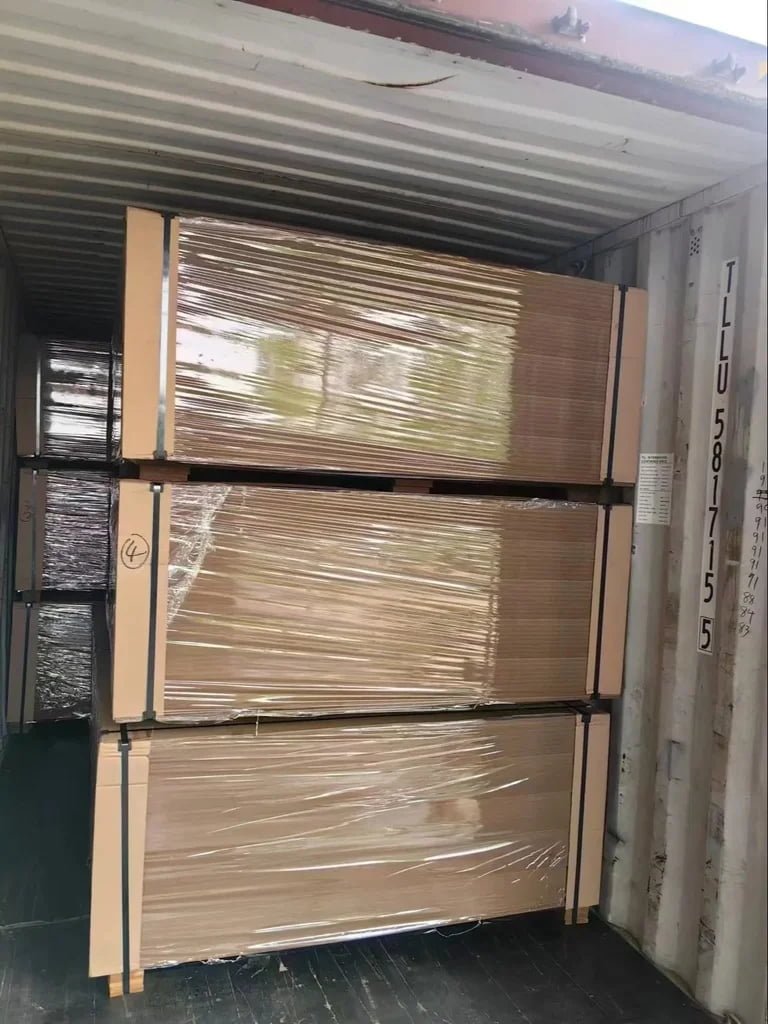
Large panels are usually packed in pallets with protective boards and steel straps, and loaded into 40HQ containers with controlled weight to ensure safe transportation.
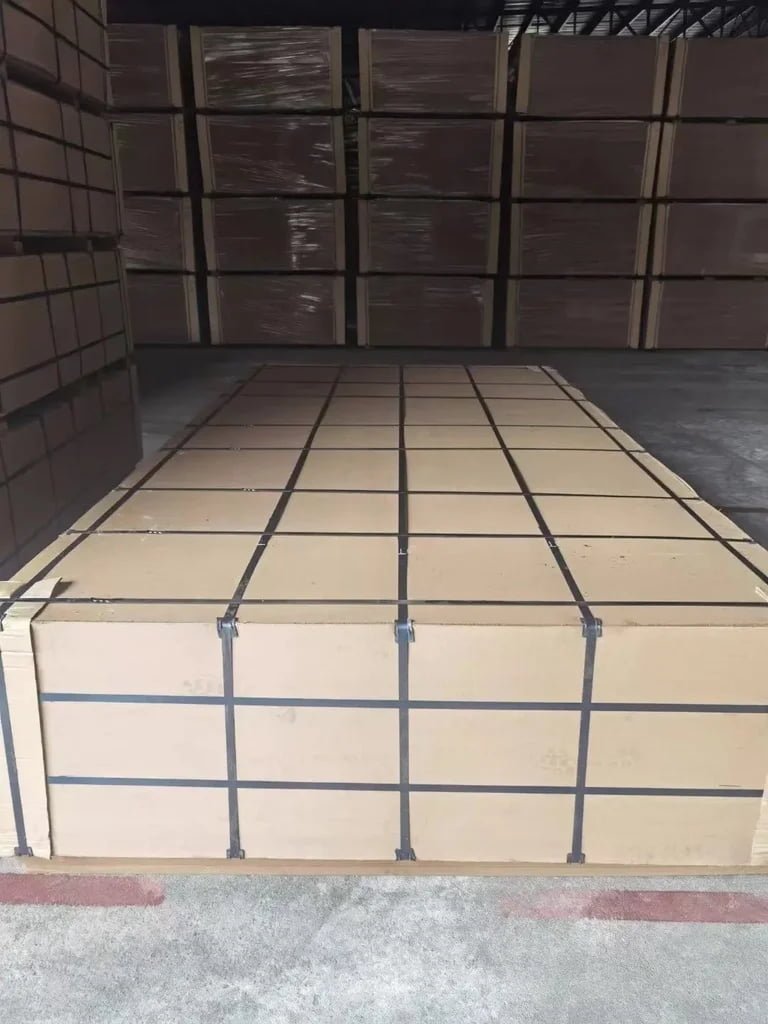
For 2800×2100mm panels, we prefer 40HQ containers. This maximizes space. The total weight is usually controlled around 28 tons.
We use palletized packing. We add protective boards on top and bottom. We use steel straps to secure the load.
This prevents damage during long shipping. It also makes unloading easier.
Here is our standard approach:
| Step | Method |
|---|---|
| Packing | Pallet |
| Protection | Cover boards |
| Reinforcement | Steel straps |
| Container | 40HQ |
Good packing saves cost in the long run. We learned this from experience.
Conclusion
Large size MDF and particle board improve efficiency, reduce cost, and enhance quality. We see them as a smart choice for modern furniture and construction projects.