
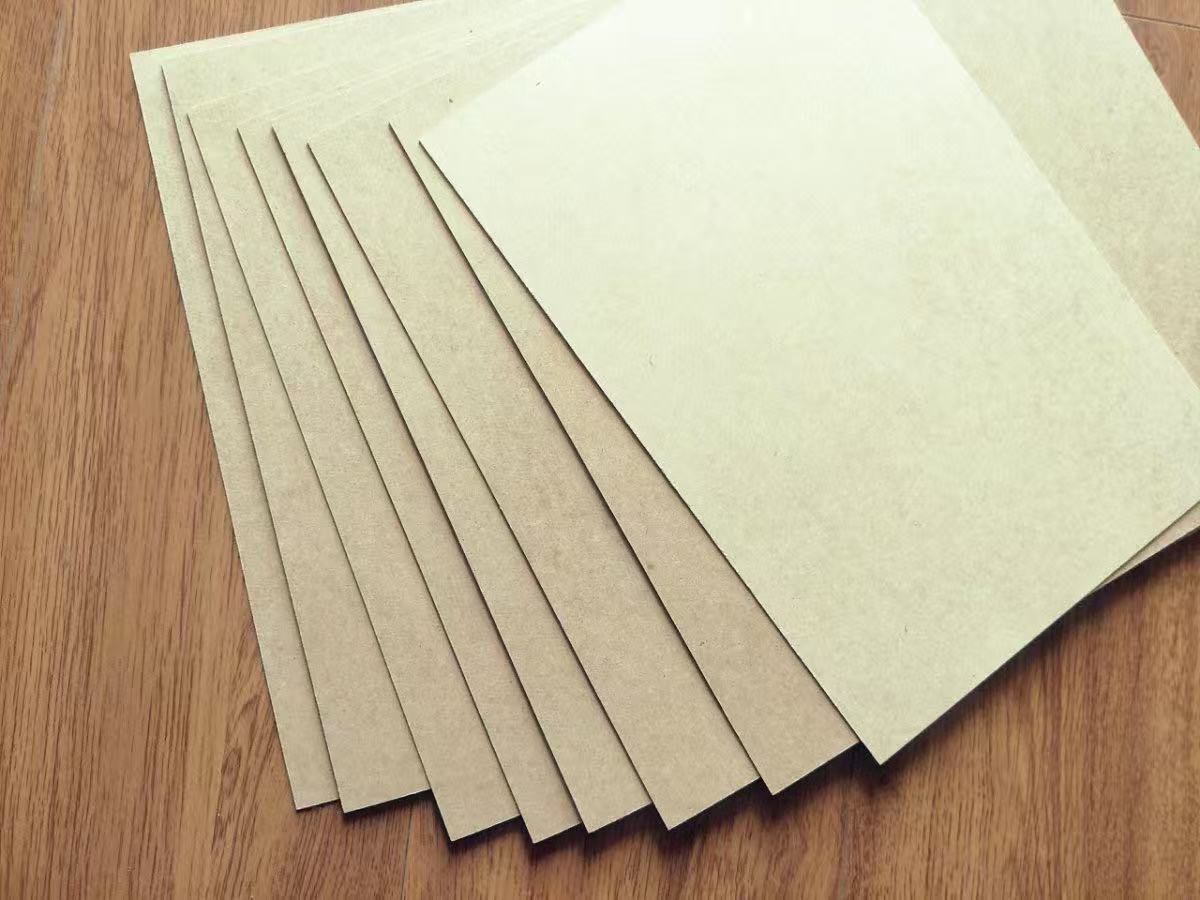
We used to feel unsure when clients asked us to choose between tMDF and HDF. We worried about making the wrong call. We knew the wrong material could ruin a whole project.
tMDF is ideal for thin, lightweight, and easy processing needs, while HDF is designed for high density, strength, and durability in demanding applications.
%(alt with keywords)(https://placehold.co/600x400 "tMDF vs HDF core differences")
I remember one buyer asking me this exact question. I realized that once I explained it clearly, the decision became simple. So I always break it down in a practical way.
What Makes tMDF and HDF Fundamentally Different?
I often see confusion here. I used to think they were almost the same. The problem is they are both fiberboards, so they look similar.
tMDF refers to thin MDF with thickness ≤8mm, while HDF refers to fiberboard with density ≥800kg/m³, focusing on strength and hardness.
%(alt with keywords)(https://placehold.co/600x400 "thin MDF vs high density fiberboard structure")
I explain this based on real work experience. I focus on what really matters in production and use.
Core Comparison
| Dimension | tMDF | HDF |
|---|---|---|
| Definition | Thin MDF (≤8mm) | High Density Fiberboard |
| Thickness | 0.8mm–8mm | 0.8mm–25mm+ |
| Density | 650–800 kg/m³ | ≥800 kg/m³ (up to 1000+) |
| Focus | Thin and flexible | Dense and strong |
I once handled an order where the client only looked at thickness. He ignored density. The result was failure in performance.
I learned that thickness and density solve different problems. Thin does not mean not strong. Dense does not mean easy.
So now I always separate these two ideas clearly when I explain to clients.
Where Should We Use tMDF in Real Projects?
I used to underestimate tMDF. I thought thin boards had limited value. That was not true in actual use.
tMDF is usually used for non-load-bearing applications that need precision, smooth surface, and easy processing, such as laminates, furniture backs, drawer bottoms, and craft products.
%(alt with keywords)(https://placehold.co/600x400 "tMDF furniture back panel laser cutting")
I worked with a client who made decorative laminates panels. He only needed super flatness for surface decorative lamination of plywood, but his budge is not high, his target customer base does not demand exceptionally high quality, and his final laminates is used in temperate regions, no humid environment.
So I suggested tMDF. It solved several problems at once.
Why tMDF Works Well
| Feature | Benefit |
|---|---|
| Lightweight | Easy transport and handling |
| Uniform material | Stable quality |
| Good flexibility | Less cracking |
| Easy cutting | Perfect for laser and CNC |
I remember testing laser cutting on both materials. The tMDF edge was smooth and clean. The HDF edge showed stress and roughness.
That test made a strong impression on me. It showed that the right material saves time and improves product quality.
I also noticed that workers prefer tMDF. It is easier to process. It reduces tool wear. It speeds up production.
So I always recommend tMDF when precision matters more than strength.
When Is HDF the Better Choice?
I learned this from projects that required durability. Some applications simply need stronger material.
HDF is choosed when high strength, hardness, and wear resistance are required, such as flooring base, door panels, and high-load furniture parts.
%(alt with keywords)(https://placehold.co/600x400 "HDF flooring base material high density board")
I worked with a flooring client before. He wanted to reduce cost by using MDF. I advised against it.
I explained the difference clearly using real factors.
Why HDF Performs Better
| Feature | Result |
|---|---|
| High density | Stronger load capacity |
| Hard surface | Better wear resistance |
| Compact structure | Longer lifespan |
| Stability | Less deformation |
After testing, he agreed with my suggestion. Later, he told me his customer complaints dropped.
I also noticed some challenges with HDF. It is heavier. It increases shipping cost.
It is also harder to process. Tools wear faster. Cutting needs better machines.
I saw one factory ignore this. They used normal tools. Their costs increased due to damage and inefficiency.
So I always remind myself that strong materials require proper handling.
How Do We Make the Right Choice Quickly?
I used to overcomplicate this decision. Now I use a simple method based on actual needs.
We should decide by checking load requirement, processing method, and cost balance before choosing between tMDF and HDF.
%(alt with keywords)(https://placehold.co/600x400 "board selection decision guide MDF vs HDF")
I follow a simple checklist in my daily work.
My Quick Decision Guide
| Question | Choice |
|---|---|
| Does it carry weight? | HDF |
| Does it need fine cutting? | tMDF |
| Is it decorative or detailed? | tMDF |
| Is durability critical? | HDF |
| Is cost and transport important? | tMDF |
I remember making a wrong choice early in my career. I focused only on price. The product failed.
That experience changed how I think. Now I always start with function.
I also learned that communication matters. Many buyers are not technical. I use simple words and examples.
This helps avoid mistakes. It also builds long-term trust.
Conclusion
We should choose tMDF for precision and light use. We should choose HDF for strength and durability. The right choice always depends on real application needs.